
2695018275@qq.com
+86
13780513619
- Afrikaans
- Albanian
- Amharic
- Arabic
- Armenian
- Azerbaijani
- Basque
- Belarusian
- Bengali
- Bosnian
- Bulgarian
- Catalan
- Cebuano
- Corsican
- Croatian
- Czech
- Danish
- Dutch
- English
- Esperanto
- Estonian
- Finnish
- French
- Frisian
- Galician
- Georgian
- German
- Greek
- Gujarati
- Haitian Creole
- hausa
- hawaiian
- Hebrew
- Hindi
- Miao
- Hungarian
- Icelandic
- igbo
- Indonesian
- irish
- Italian
- Japanese
- Javanese
- Kannada
- kazakh
- Khmer
- Rwandese
- Korean
- Kurdish
- Kyrgyz
- Lao
- Latin
- Latvian
- Lithuanian
- Luxembourgish
- Macedonian
- Malgashi
- Malay
- Malayalam
- Maltese
- Maori
- Marathi
- Mongolian
- Myanmar
- Nepali
- Norwegian
- Norwegian
- Occitan
- Pashto
- Persian
- Polish
- Portuguese
- Punjabi
- Romanian
- Russian
- Samoan
- Scottish Gaelic
- Serbian
- Sesotho
- Shona
- Sindhi
- Sinhala
- Slovak
- Slovenian
- Somali
- Spanish
- Sundanese
- Swahili
- Swedish
- Tagalog
- Tajik
- Tamil
- Tatar
- Telugu
- Thai
- Turkish
- Turkmen
- Ukrainian
- Urdu
- Uighur
- Uzbek
- Vietnamese
- Welsh
- Bantu
- Yiddish
- Yoruba
- Zulu
Apr . 01, 2024 17:55 Back to list
veterinary antibiotic injection list Performance Analysis
Introduction
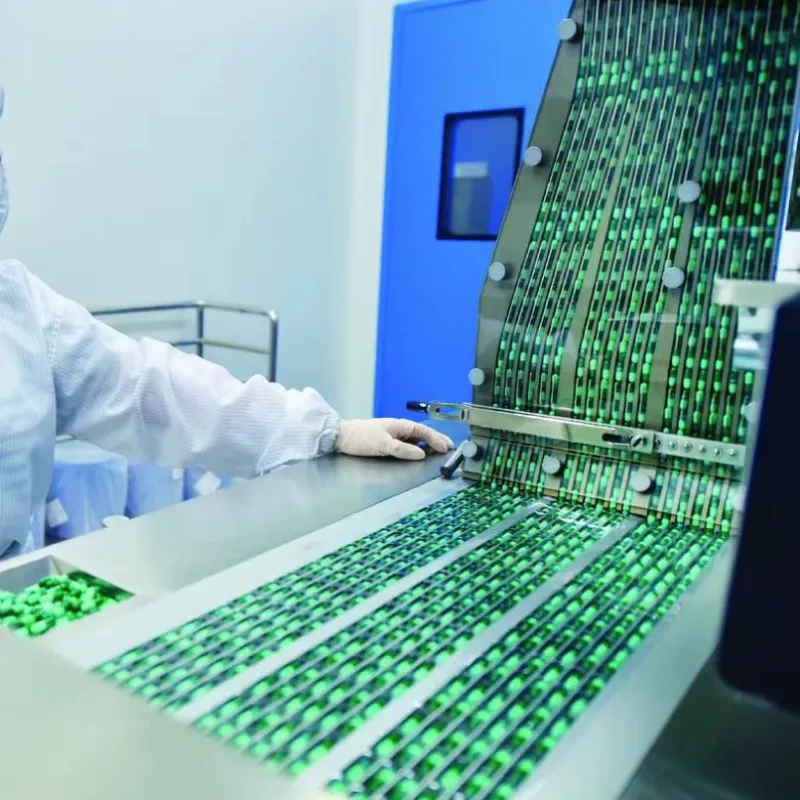
Veterinary antibiotic injections represent a critical component of modern animal healthcare, utilized across a broad spectrum of species and clinical indications. These injectable formulations deliver concentrated doses of antimicrobial agents directly into the animal's bloodstream or muscle tissue, providing rapid onset of action and achieving systemic drug concentrations difficult to attain through oral administration. Positioned within the pharmaceutical supply chain, these products undergo stringent quality control and regulatory oversight to ensure efficacy and safety. Core performance characteristics center on antimicrobial spectrum, potency, pharmacokinetic profile (absorption, distribution, metabolism, excretion), and formulation stability. The increasing prevalence of antimicrobial resistance (AMR) presents a significant challenge, driving the need for judicious use and the development of novel antibiotic classes and delivery systems. Proper selection of antibiotic, dosage, and route of administration are paramount to successful treatment outcomes and minimizing the risk of AMR development.
Material Science & Manufacturing
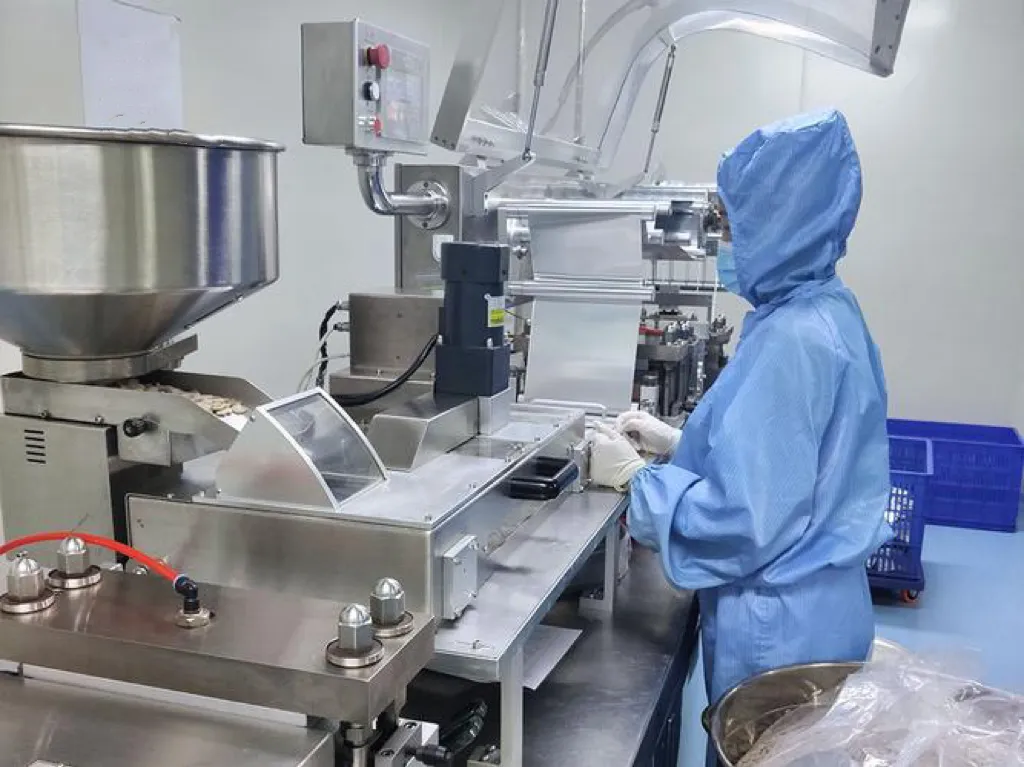
The manufacturing of veterinary antibiotic injections involves a complex interplay of material science and pharmaceutical engineering. Active Pharmaceutical Ingredients (APIs), typically belonging to classes like beta-lactams (penicillins, cephalosporins), aminoglycosides (gentamicin, streptomycin), macrolides (erythromycin), or tetracyclines (oxytetracycline), dictate the antimicrobial efficacy. Raw material sourcing requires rigorous vendor qualification and adherence to Good Manufacturing Practices (GMP). Excipients, comprising the formulation’s bulk, play crucial roles in solubility, stability, and biocompatibility. Common excipients include water for injection (WFI), buffering agents (phosphates, citrates), preservatives (benzyl alcohol, methylparaben), and viscosity enhancers (propylene glycol, polyethylene glycol). Manufacturing processes typically include API dissolution, sterile filtration, aseptic filling into vials or ampoules, and lyophilization (freeze-drying) for enhanced stability of certain formulations. Parameter control is critical throughout, encompassing pH adjustment, osmolality control, particulate matter monitoring (using light obscuration or microscopic methods), and endotoxin testing (using the Limulus Amebocyte Lysate – LAL assay). Sterilization, typically achieved through autoclaving or filtration, ensures the absence of viable microorganisms. Container closure systems (vials, stoppers, crimp seals) must maintain sterility and prevent drug degradation.
Performance & Engineering
Performance evaluation of veterinary antibiotic injections necessitates a multifaceted engineering approach. Pharmacokinetic (PK) studies – determining absorption, distribution, metabolism, and excretion – are essential for optimizing dosing regimens. Bioavailability, the fraction of the administered dose reaching systemic circulation, is a key parameter. Formulation engineering focuses on optimizing drug release kinetics. For sustained-release formulations, microencapsulation or the use of biodegradable polymers is employed. Environmental resistance is assessed through stability testing, exposing the product to varying temperatures, humidity levels, and light conditions, according to International Council for Harmonisation (ICH) guidelines. Compliance requirements are dictated by veterinary regulatory agencies (e.g., FDA-CVM in the US, EMA in Europe). Force analysis focuses on the integrity of the container-closure system, evaluating its ability to withstand handling, shipping, and storage stresses. Leak testing, stopper penetration testing, and visual inspection are employed. Functional implementation requires consideration of the injection administration route (intramuscular, intravenous, subcutaneous) and compatibility with standard veterinary syringes and needles. Drug-device interactions must be thoroughly evaluated to prevent adverse events, such as precipitation or incompatibility.
Technical Specifications
| Antibiotic Class | Active Ingredient | Concentration (mg/mL) | pH Range |
|---|---|---|---|
| Beta-Lactam | Ceftiofur | 200 | 6.0 - 8.0 |
| Aminoglycoside | Gentamicin | 50 | 5.5 - 7.5 |
| Macrolide | Tilmicosin | 10 | 7.0 - 9.0 |
| Tetracycline | Oxytetracycline | 50 | 7.0 - 8.5 |
| Fluoroquinolone | Enrofloxacin | 10 | 6.5 - 8.5 |
| Lincosamide | Clindamycin | 15 | 6.0 - 7.5 |
Failure Mode & Maintenance
Failure modes in veterinary antibiotic injections can arise from various sources. Degradation of the API, induced by hydrolysis, oxidation, or photolysis, is a common concern. This can lead to reduced potency and the formation of potentially toxic degradation products. Particulate matter contamination, originating from manufacturing processes or vial leaching, can trigger inflammatory responses. Sterility failures, due to inadequate sterilization or breaches in aseptic technique, pose a severe risk of infection. Container closure failures, such as stopper damage or seal leaks, compromise sterility and drug stability. Precipitation of the drug substance, particularly at low temperatures, can obstruct administration. Maintenance and preventative measures include strict adherence to recommended storage conditions (temperature, light protection), visual inspection for discoloration or particulate matter, and proper handling to avoid physical damage. Regular quality control testing, including potency assays, sterility testing, and particulate matter analysis, is crucial. Expired products should never be used. If suspecting a compromised vial, the product should be quarantined and reported to the manufacturer and relevant regulatory authorities. Furthermore, implementing a robust cold chain management system is vital to maintain product integrity during transportation and storage.
Industry FAQ
Q: What are the key considerations when selecting an antibiotic injection for a systemic infection in a large animal?
A: Key considerations include the causative pathogen and its antimicrobial susceptibility profile, the pharmacokinetic properties of the antibiotic (tissue penetration, half-life), the animal species and its physiological state, the severity of the infection, and potential drug interactions. A culture and sensitivity test is highly recommended to guide antibiotic selection.
Q: How does lyophilization contribute to the stability of antibiotic injections?
A: Lyophilization, or freeze-drying, removes water from the formulation, significantly reducing the rate of degradation reactions that require water as a reactant. This extends the shelf life of the product and allows for storage at room temperature, improving convenience and reducing the risk of cold chain breaches.
Q: What are the implications of antimicrobial resistance when prescribing antibiotic injections?
A: Antimicrobial resistance necessitates a cautious and judicious approach to antibiotic use. Selecting the narrowest-spectrum antibiotic effective against the identified pathogen minimizes selective pressure for resistance development. Employing appropriate dosages and treatment durations, and avoiding prophylactic use, are crucial. Regular monitoring of antibiotic susceptibility patterns is essential.
Q: What quality control tests are essential for ensuring the safety and efficacy of antibiotic injections?
A: Essential quality control tests include potency assays (to verify drug concentration), sterility testing (to ensure absence of microorganisms), endotoxin testing (to detect bacterial toxins), particulate matter analysis (to quantify particulate contamination), pH measurement, osmolality control, and visual inspection for clarity and color.
Q: How are container-closure systems validated to maintain the sterility of antibiotic injections?
A: Container-closure systems undergo rigorous validation testing, including leak testing, stopper penetration testing, and seal integrity testing, to demonstrate their ability to maintain sterility throughout the product's shelf life. These tests are performed under accelerated aging conditions and in accordance with regulatory guidelines.
Conclusion
Veterinary antibiotic injections are indispensable tools in animal healthcare, demanding a rigorous understanding of their material science, manufacturing processes, performance characteristics, and potential failure modes. Maintaining product quality and efficacy requires strict adherence to GMP, comprehensive quality control testing, and meticulous attention to storage and handling procedures. Addressing the escalating challenge of antimicrobial resistance necessitates a responsible and informed approach to antibiotic stewardship, prioritizing accurate diagnosis, appropriate drug selection, and optimized treatment regimens.
Future advancements in veterinary antibiotic injection technology will likely focus on novel drug delivery systems (e.g., nanoformulations, targeted delivery), the development of new antibiotic classes with improved efficacy against resistant strains, and the implementation of real-time monitoring technologies to optimize treatment outcomes and minimize the risk of adverse events. Continued investment in research and development, coupled with enhanced regulatory oversight, will be essential to ensuring the long-term effectiveness of these critical therapeutic agents.
Latest news
Copyright © 2026
Dingzhou Kangquan Pharmaceutical Co., Ltd. All Rights Reserved. Sitemap | Privacy
Policy


