
2695018275@qq.com
+86
13780513619
- Afrikaans
- Albanian
- Amharic
- Arabic
- Armenian
- Azerbaijani
- Basque
- Belarusian
- Bengali
- Bosnian
- Bulgarian
- Catalan
- Cebuano
- Corsican
- Croatian
- Czech
- Danish
- Dutch
- English
- Esperanto
- Estonian
- Finnish
- French
- Frisian
- Galician
- Georgian
- German
- Greek
- Gujarati
- Haitian Creole
- hausa
- hawaiian
- Hebrew
- Hindi
- Miao
- Hungarian
- Icelandic
- igbo
- Indonesian
- irish
- Italian
- Japanese
- Javanese
- Kannada
- kazakh
- Khmer
- Rwandese
- Korean
- Kurdish
- Kyrgyz
- Lao
- Latin
- Latvian
- Lithuanian
- Luxembourgish
- Macedonian
- Malgashi
- Malay
- Malayalam
- Maltese
- Maori
- Marathi
- Mongolian
- Myanmar
- Nepali
- Norwegian
- Norwegian
- Occitan
- Pashto
- Persian
- Polish
- Portuguese
- Punjabi
- Romanian
- Russian
- Samoan
- Scottish Gaelic
- Serbian
- Sesotho
- Shona
- Sindhi
- Sinhala
- Slovak
- Slovenian
- Somali
- Spanish
- Sundanese
- Swahili
- Swedish
- Tagalog
- Tajik
- Tamil
- Tatar
- Telugu
- Thai
- Turkish
- Turkmen
- Ukrainian
- Urdu
- Uighur
- Uzbek
- Vietnamese
- Welsh
- Bantu
- Yiddish
- Yoruba
- Zulu
Apr . 01, 2024 17:55 Back to list
Veterinary Injection List Performance Analysis

Introduction
Veterinary injection lists, encompassing both syringes and needles, represent a critical component of animal healthcare, facilitating the parenteral administration of pharmaceuticals, vaccines, and fluids. These lists define the necessary equipment for a wide range of procedures, from routine vaccinations and antibiotic treatments to emergency interventions and diagnostic sampling. Their technical position within the veterinary supply chain is foundational, directly impacting drug efficacy, patient safety, and veterinary workflow efficiency. Core performance characteristics are defined by accurate dosage delivery, biocompatibility of materials, sterilization assurance, and minimization of patient discomfort. Modern veterinary injection lists often incorporate features designed to enhance safety for both the animal and the administering veterinarian, addressing key industry pain points such as needle-stick injuries and medication errors. The increasing demand for precision medicine and individualized treatment protocols further drives the need for highly specific and well-documented injection list configurations.
Material Science & Manufacturing
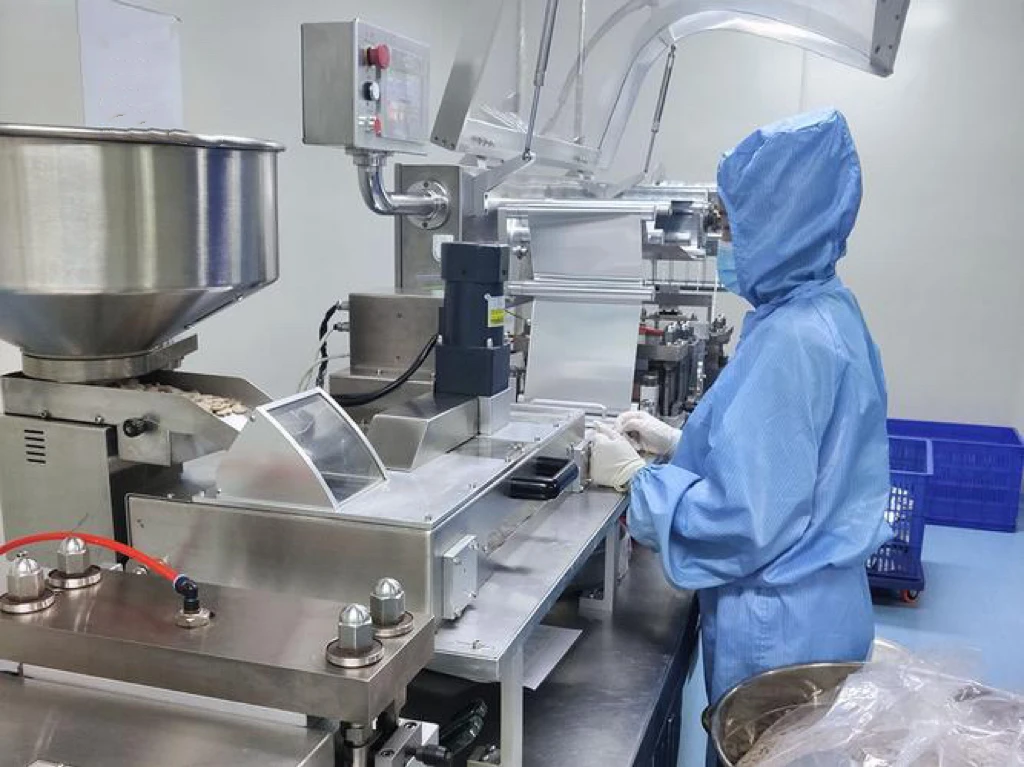
Veterinary injection lists are typically manufactured from several key materials. Syringes are commonly constructed from polypropylene (PP) or polycarbonate (PC) due to their chemical resistance, clarity, and ability to withstand sterilization processes. PP offers good cost-effectiveness, while PC provides greater impact resistance. Needles are predominantly composed of stainless steel, specifically grades 304 or 316, selected for their corrosion resistance, hardness, and ability to maintain a sharp point. Lubricants, such as silicone, are often applied to the needle surface to reduce friction during penetration. Manufacturing processes vary. Syringes are often produced via injection molding, with critical parameter control focusing on mold temperature, injection pressure, and cooling rates to ensure dimensional accuracy and prevent defects like sink marks or warpage. Needle manufacturing involves wire drawing to achieve the desired gauge and diameter, followed by grinding and polishing to create the bevel. The bonding of the needle hub to the syringe barrel often utilizes ultrasonic welding or adhesive bonding. Sterilization, typically achieved through ethylene oxide (EtO) sterilization or gamma irradiation, is a crucial step, requiring validation of sterilization parameters to ensure a sterility assurance level (SAL) of 10-6. Material biocompatibility, validated through ISO 10993 testing, is paramount to prevent adverse reactions.
Performance & Engineering
The performance of veterinary injection lists is governed by several engineering principles. Needle bevel geometry (typically 12-18 degrees) significantly impacts penetration force and patient discomfort. Sharper bevels reduce force but may increase the risk of coring, while blunter bevels require more force but may minimize tissue damage. Needle gauge (outer diameter) and length are critical parameters selected based on the viscosity of the fluid being injected, the animal species, and the injection site. Syringe barrel markings must be accurate and clearly visible to ensure precise dosage delivery. Force analysis considers the force required to overcome tissue resistance, the friction between the plunger and barrel, and the force needed to expel the fluid. Environmental resistance factors include the ability to withstand temperature fluctuations during storage and transportation, as well as resistance to degradation from exposure to common veterinary disinfectants. Compliance requirements are stringent, dictated by regulatory bodies like the FDA (in the US) and EMA (in Europe), mandating adherence to Good Manufacturing Practices (GMP) and stringent quality control procedures. The design must also consider ergonomic factors to minimize strain on the veterinarian’s hand during prolonged use.
Technical Specifications
| Syringe Material | Needle Material | Needle Gauge (G) | Needle Length (inches) |
|---|---|---|---|
| Polypropylene (PP) | 304 Stainless Steel | 25G | 0.5 |
| Polycarbonate (PC) | 316 Stainless Steel | 22G | 1.0 |
| Polypropylene (PP) | 304 Stainless Steel | 27G | 0.75 |
| Polycarbonate (PC) | 316 Stainless Steel | 18G | 1.5 |
| Polypropylene (PP) | 304 Stainless Steel | 30G | 0.6 |
| Polycarbonate (PC) | 316 Stainless Steel | 20G | 1.25 |
Failure Mode & Maintenance
Common failure modes in veterinary injection lists include needle breakage, syringe barrel cracking, plunger leakage, and needle hub separation. Needle breakage can occur due to excessive bending, improper technique, or material defects. Syringe barrel cracking typically results from impact damage or exposure to harsh chemicals. Plunger leakage is often caused by worn or damaged O-rings or improper plunger lubrication. Needle hub separation can occur due to weak adhesive bonding. Fatigue cracking in the needle hub can arise from repeated stress. Delamination of the syringe barrel, although less common, can occur due to material incompatibility or manufacturing defects. Degradation of the syringe material from exposure to UV light or harsh chemicals can also lead to failure. Oxidation of the stainless steel needle can occur in specific environments. Maintenance is primarily preventative. Injection lists should be inspected visually before each use for any signs of damage. Proper storage conditions – avoiding extreme temperatures and direct sunlight – are critical. Needles should never be re-capped after use to prevent needle-stick injuries. Regular calibration of syringes (where applicable) is recommended to ensure accurate dosage delivery. Disposal should always be in accordance with local regulations for sharps waste.
Industry FAQ
Q: What is the significance of the luer lock mechanism in veterinary syringes?
A: The luer lock mechanism provides a secure connection between the syringe barrel and the needle hub, preventing accidental disconnection during injection. This is particularly critical when administering viscous fluids or when encountering resistance during injection, ensuring accurate dosage delivery and minimizing the risk of leaks or spillage.
Q: How does needle gauge selection impact patient comfort and injection accuracy?
A: Lower gauge numbers indicate larger diameter needles, which are generally easier to inject with viscous fluids but cause more tissue trauma and discomfort. Higher gauge numbers indicate smaller diameter needles, resulting in less discomfort but requiring more force to inject and potentially causing hemolysis with viscous fluids. Careful gauge selection based on fluid viscosity, injection site, and animal species is essential.
Q: What are the key considerations regarding sterilization methods for veterinary injection lists?
A: Ethylene oxide (EtO) sterilization and gamma irradiation are the most common methods. EtO offers excellent material compatibility but requires careful aeration to remove residual EtO. Gamma irradiation is faster and doesn’t leave residues, but can degrade certain polymers. Validation of the sterilization process is crucial to ensure a Sterility Assurance Level (SAL) of 10-6.
Q: What is the role of silicone lubrication on needles, and are there any drawbacks?
A: Silicone lubrication reduces the coefficient of friction between the needle and tissue, facilitating smoother injection and minimizing patient discomfort. However, excessive silicone can interfere with certain diagnostic tests or cause localized tissue reactions in sensitive individuals. The amount of silicone must be carefully controlled.
Q: How important is the material traceability and documentation for veterinary injection lists?
A: Material traceability and comprehensive documentation are paramount for quality control and regulatory compliance. Detailed records of material sourcing, manufacturing processes, sterilization validation, and quality control testing are essential to demonstrate product safety and efficacy and to facilitate recall procedures if necessary.
Conclusion
Veterinary injection lists represent a deceptively complex product, requiring careful consideration of material science, manufacturing processes, and engineering principles to ensure optimal performance and patient safety. The selection of appropriate materials, precise manufacturing control, and rigorous quality assurance are all critical to minimizing failure modes and maximizing clinical efficacy. Understanding the interplay between needle gauge, bevel geometry, syringe design, and sterilization techniques is essential for veterinary professionals to deliver accurate and safe injections.
Future advancements will likely focus on developing biocompatible polymers with enhanced strength and durability, incorporating smart features like dose tracking and automated injection systems, and exploring alternative sterilization methods with reduced environmental impact. Continued research and development in these areas will further improve the safety, efficiency, and precision of veterinary injection lists, ultimately contributing to better animal healthcare outcomes.
Latest news
Copyright © 2026
Dingzhou Kangquan Pharmaceutical Co., Ltd. All Rights Reserved. Sitemap | Privacy
Policy


