


ammonia
Ammonia
Product Overview
Ammonia is a colorless gas with a distinct pungent odor, widely recognized for its vital role in various industrial applications. With the chemical formula NH₃, this compound is a crucial building block in the synthesis of fertilizers, chemicals, and pharmaceuticals. Its high nitrogen content makes ammonia a preferred choice for agricultural use, enhancing crop yield and soil health. Additionally, ammonia is an excellent refrigerant, playing a significant role in the cooling industry. As a versatile compound, ammonia is integral to numerous processes across different sectors, making it an essential product in international trade.
Key Features
- High Nitrogen Content: Composed of 82% nitrogen, ammonia is a powerful nutrient, promoting plant growth.
- Versatile Applications: Used in agriculture, refrigeration, and chemical manufacturing.
- Environmentally Friendly: When utilized correctly, ammonia can minimize environmental impact compared to other nitrogen sources.
- Cost-Effective: Provides an economical solution for nitrogen fertilization in agricultural practices.
- Easy to Transport: Available in gaseous and liquid forms, facilitating logistics and storage.
Technical Specifications
| Property | Value |
|---|---|
| Chemical Formula | NH₃ |
| Molar Mass | 17.03 g/mol |
| Boiling Point | -33.34 °C |
| Melting Point | -77.73 °C |
| Density | 0.73 kg/m³ (gas); 682 kg/m³ (liquid) |
| Solubility in Water | Highly soluble |
Application Scenarios
Ammonia is utilized across a wide array of industries, showcasing its adaptability and importance:
- Agriculture: As a key ingredient in nitrogen-based fertilizers, ammonia boosts soil fertility and enhances crop yields. It is often applied directly to soils or as part of liquid fertilizer formulations.
- Refrigeration: Ammonia serves as a refrigerant in industrial cooling systems due to its high efficiency and low environmental impact compared to synthetic alternatives.
- Chemical Manufacturing: Ammonia is a precursor for the production of various chemicals, including urea, nitric acid, and ammonium sulfate, which are vital in numerous industrial processes.
- Pharmaceuticals: In the pharmaceutical sector, ammonia is used in the production of various medicinal compounds, showcasing its versatility.
- Water Treatment: Ammonia plays a role in water treatment processes, helping to reduce contaminants and improve water quality.
Advantages
The use of ammonia offers several advantages across different applications:
- Enhanced Crop Production: Ammonia's high nitrogen content directly contributes to improved plant growth and productivity, making it essential for farmers.
- Efficiency in Cooling: In refrigeration systems, ammonia is recognized for its superior cooling capacity and energy efficiency, reducing operational costs.
- Environmental Benefits: Ammonia can be part of sustainable agricultural practices, helping to reduce reliance on synthetic fertilizers that may cause environmental harm.
- Cost Savings: The economic advantages of using ammonia in various applications make it a preferred choice for businesses aiming to optimize their operational expenditures.
Why Choose Us
Our company stands out in the global ammonia market due to our commitment to quality, reliability, and customer satisfaction:
- High-Quality Products: We ensure that our ammonia meets the highest industry standards, guaranteeing purity and performance.
- Global Reach: With an extensive distribution network, we can deliver ammonia to clients worldwide, ensuring timely and efficient service.
- Expert Support: Our knowledgeable team is available to provide technical support and guidance regarding ammonia applications and best practices.
- Competitive Pricing: We offer competitive pricing structures that cater to businesses of all sizes, ensuring value without compromising quality.
- Commitment to Sustainability: We are dedicated to environmentally responsible practices, ensuring our ammonia production and distribution processes minimize ecological impact.
FAQ
What is ammonia used for?
Ammonia is primarily used in agriculture as a nitrogen fertilizer, in refrigeration systems as a refrigerant, and as a precursor in the production of various chemicals and pharmaceuticals.
Is ammonia safe to use?
When handled correctly and used as directed, ammonia is safe. However, it is essential to follow safety guidelines due to its pungent odor and potential for irritation in high concentrations.
How is ammonia transported?
Ammonia can be transported in both gaseous and liquid forms, utilizing specialized containers and equipment to ensure safe handling during transit.
What are the environmental impacts of ammonia?
While ammonia can contribute to environmental issues like water pollution when mismanaged, its use in sustainable agriculture can reduce the need for synthetic fertilizers, ultimately benefiting the environment.
How can I ensure the quality of ammonia products?
Choosing a reputable supplier that adheres to industry standards and provides certifications can help ensure the quality of ammonia products.
0
Nuus
-
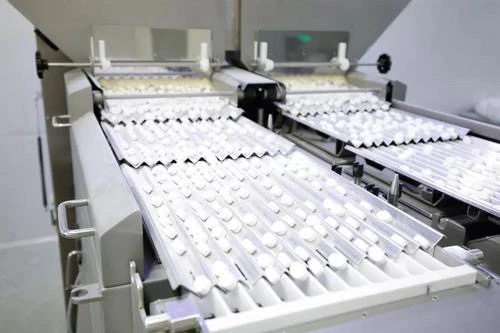 27MarLeer meerGuide to Oxytetracycline InjectionOxytetracycline injection is a widely used antibiotic in veterinary medicine, primarily for the treatment of bacterial infections in animals.
 -
27MarLeer meerGuide to Colistin SulphateColistin sulfate (also known as polymyxin E) is an antibiotic that belongs to the polymyxin group of antibiotics.
-
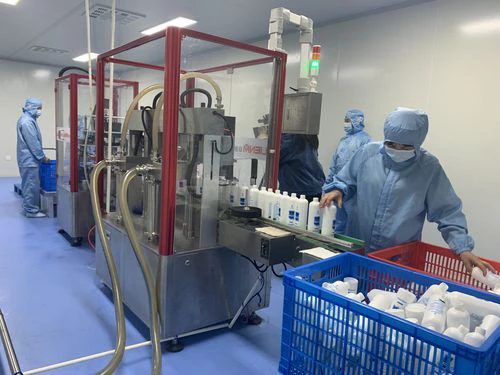 27MarLeer meerGentamicin Sulfate: Uses, Price, And Key InformationGentamicin sulfate is a widely used antibiotic in the medical field. It belongs to a class of drugs known as aminoglycosides, which are primarily used to treat a variety of bacterial infections.


