

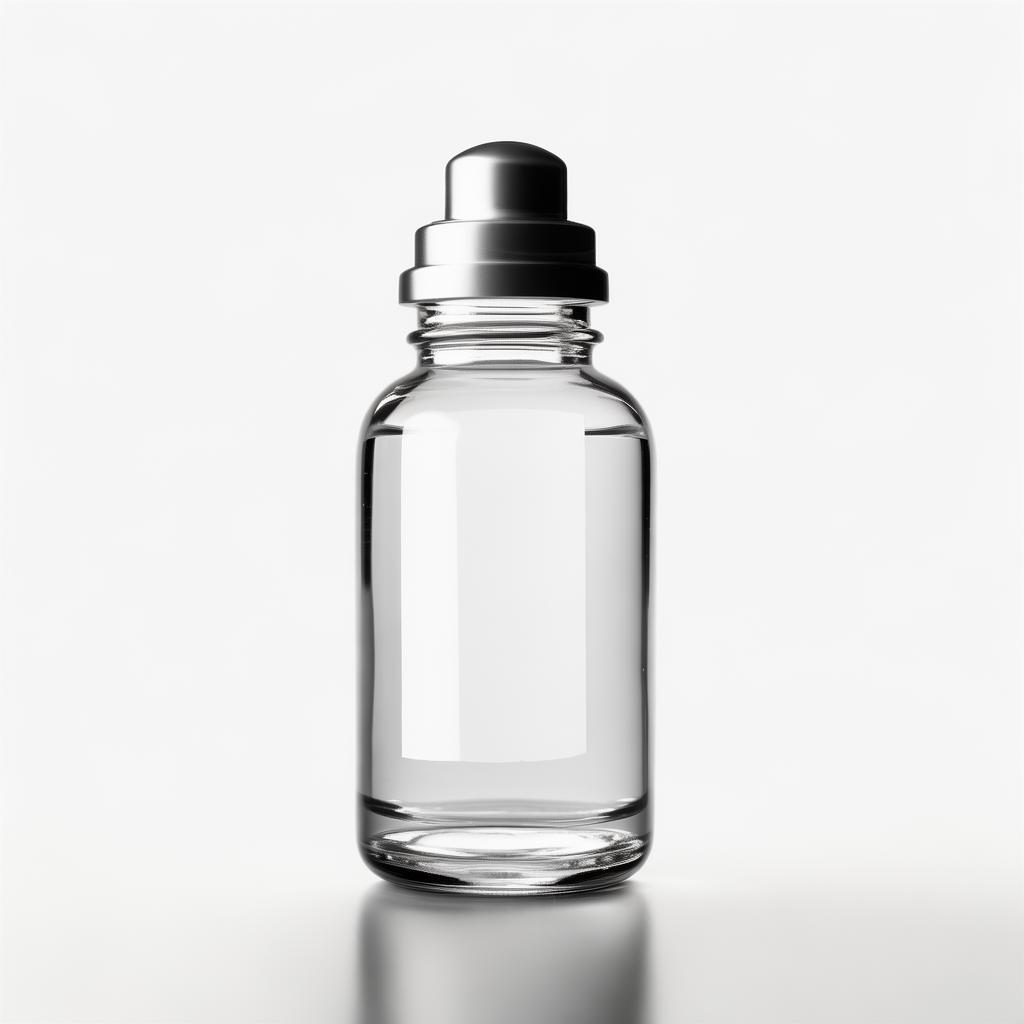
avermectin
Avermectin: A Comprehensive Overview
Avermectin is a highly effective antiparasitic agent widely utilized in both veterinary and agricultural applications. Derived from the fermentation of the soil bacterium Streptomyces avermitilis, avermectin plays a pivotal role in controlling a variety of pests and parasites, ensuring the health and productivity of livestock and crops. Its efficacy, safety, and broad-spectrum activity make it an essential component in integrated pest management systems.
Key Features
- Broad-spectrum Activity: Avermectin effectively targets a wide range of parasites and pests, including nematodes, insects, and mites.
- High Efficacy: Proven effectiveness in both agricultural and veterinary applications, minimizing pest resistance.
- Minimal Residues: Low levels of chemical residues in food products, making it safe for human consumption.
- Versatile Application: Suitable for various formulations including injectables, topicals, and oral doses.
- Environmentally Friendly: Safe for beneficial organisms when used according to guidelines.
Technical Specifications
| Specification | Details |
|---|---|
| Chemical Name | Avermectin B1a and B1b |
| Molecular Weight | 875.0 g/mol |
| CAS Number | 65195-55-3 |
| Formulation Types | Injectable, Topical, Oral |
| Application Rate | 0.1 to 0.5 mg/kg body weight (depending on the formulation) |
| Storage Conditions | Store in a cool, dry place away from direct sunlight. |
| Shelf Life | 24 months from the date of manufacture |
Application Scenarios
Avermectin is employed in various application scenarios, highlighting its versatility across different sectors:
- Agriculture: Used to control pests affecting crops, including aphids, whiteflies, and thrips. Avermectin can be applied via soil drenching or foliar spraying.
- Veterinary Medicine: Administered to livestock and pets to treat parasitic infections such as heartworm, intestinal worms, and ectoparasites like mites and lice.
- Fisheries: Effective in managing parasites in aquaculture, ensuring the health of fish stocks and improving yield.
- Public Health: Utilized in vector control programs to combat diseases transmitted by insects, contributing to better public health outcomes.
Advantages
The use of avermectin offers numerous advantages, making it a preferred choice for many agricultural and veterinary professionals:
- Enhanced Crop Yield: By effectively managing pest populations, avermectin helps increase crop yields and quality.
- Improved Animal Health: Reduces the incidence of parasitic infections, leading to healthier livestock and pets.
- Cost-Effectiveness: Avermectin's efficacy allows for lower application rates, reducing overall treatment costs.
- Resistance Management: Its unique mode of action helps mitigate the risk of developing resistance among target pests.
- Safety Profile: Low toxicity to humans and non-target organisms when used appropriately, ensuring environmental safety.
Why Choose Us
Our commitment to quality and excellence sets us apart as a leading supplier of avermectin in the international trade market. Here’s why you should choose us:
- High-Quality Products: We source our avermectin from reputable manufacturers who adhere to stringent quality control standards.
- Expertise and Support: Our team of industry experts is available to provide guidance on product application and best practices.
- Competitive Pricing: We offer competitive pricing without compromising on quality, ensuring value for your investment.
- Timely Delivery: We understand the importance of timely delivery in your operations and strive to meet your deadlines.
- Customer-Centric Approach: Our dedicated customer service team is here to assist you with any queries or concerns, ensuring a seamless experience.
FAQ
What is avermectin used for?
Avermectin is primarily used as an antiparasitic agent in agriculture and veterinary medicine to control various pests and parasites.
Is avermectin safe for use in livestock?
Yes, when used according to the recommended dosage and application guidelines, avermectin is safe for livestock and has a low toxicity profile.
How should avermectin be applied?
Avermectin can be applied in various forms, including injectable, topical, or oral formulations. The method of application will depend on the target pest and specific product instructions.
Can avermectin be used in organic farming?
Avermectin is not typically classified as an organic pesticide; however, it may be used in integrated pest management practices depending on local regulations.
What precautions should be taken while using avermectin?
Always follow the manufacturer's guidelines for application rates and methods. Avoid contact with skin and eyes, and ensure proper protective equipment is worn during handling.
0
Nuus
-
 27MarLeer meerGuide to Oxytetracycline InjectionOxytetracycline injection is a widely used antibiotic in veterinary medicine, primarily for the treatment of bacterial infections in animals.
 -
27MarLeer meerGuide to Colistin SulphateColistin sulfate (also known as polymyxin E) is an antibiotic that belongs to the polymyxin group of antibiotics.
-
 27MarLeer meerGentamicin Sulfate: Uses, Price, And Key InformationGentamicin sulfate is a widely used antibiotic in the medical field. It belongs to a class of drugs known as aminoglycosides, which are primarily used to treat a variety of bacterial infections.


