
2695018275@qq.com
+86 13780513619
- Afrikaans
- Albanian
- Amharic
- Arabic
- Armenian
- Azerbaijani
- Basque
- Belarusian
- Bengali
- Bosnian
- Bulgarian
- Catalan
- Cebuano
- Corsican
- Croatian
- Czech
- Danish
- Dutch
- English
- Esperanto
- Estonian
- Finnish
- French
- Frisian
- Galician
- Georgian
- German
- Greek
- Gujarati
- Haitian Creole
- hausa
- hawaiian
- Hebrew
- Hindi
- Miao
- Hungarian
- Icelandic
- igbo
- Indonesian
- irish
- Italian
- Japanese
- Javanese
- Kannada
- kazakh
- Khmer
- Rwandese
- Korean
- Kurdish
- Kyrgyz
- Lao
- Latin
- Latvian
- Lithuanian
- Luxembourgish
- Macedonian
- Malgashi
- Malay
- Malayalam
- Maltese
- Maori
- Marathi
- Mongolian
- Myanmar
- Nepali
- Norwegian
- Norwegian
- Occitan
- Pashto
- Persian
- Polish
- Portuguese
- Punjabi
- Romanian
- Russian
- Samoan
- Scottish Gaelic
- Serbian
- Sesotho
- Shona
- Sindhi
- Sinhala
- Slovak
- Slovenian
- Somali
- Spanish
- Sundanese
- Swahili
- Swedish
- Tagalog
- Tajik
- Tamil
- Tatar
- Telugu
- Thai
- Turkish
- Turkmen
- Ukrainian
- Urdu
- Uighur
- Uzbek
- Vietnamese
- Welsh
- Bantu
- Yiddish
- Yoruba
- Zulu
Jul . 02, 2024 00:40 Back to list
Tilmicosin An Effective Antibiotic for Animal Health and Wellness
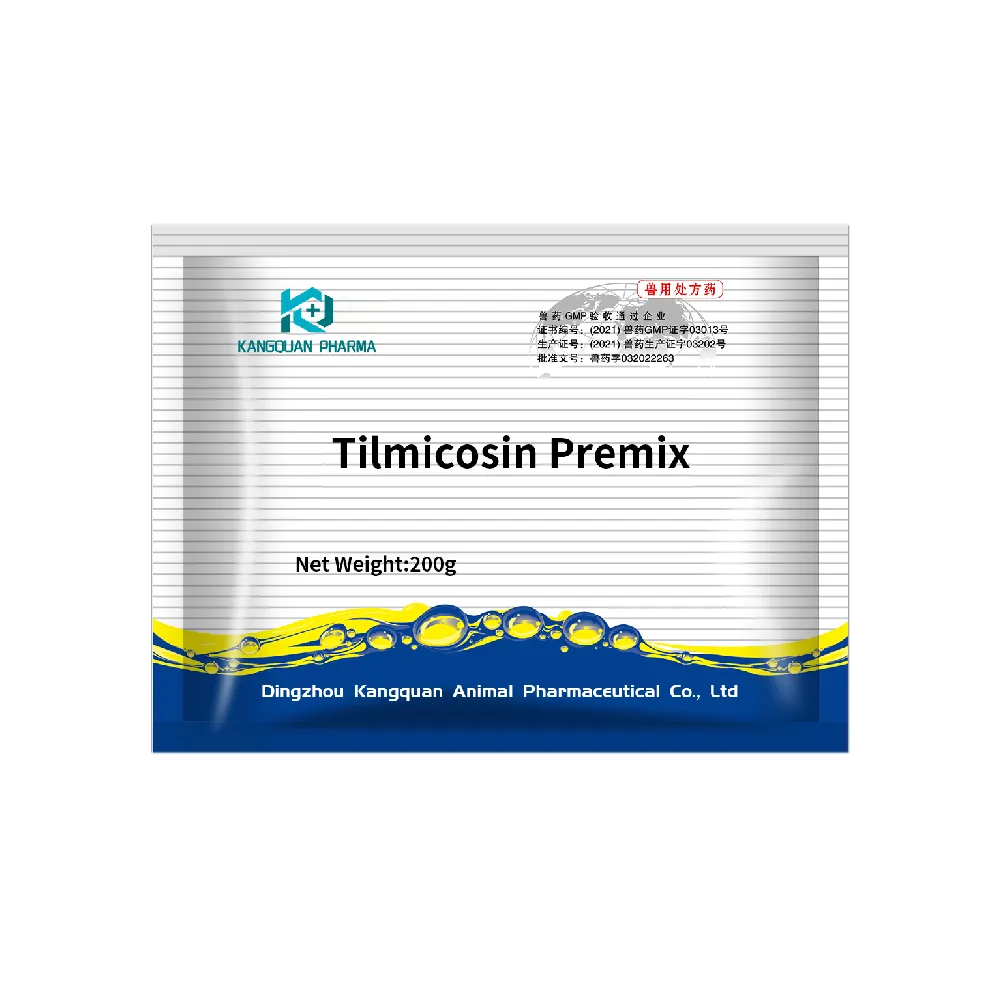
Tilmicosin A Powerful Antibiotic for Modern Veterinary Medicine
Tilmicosin, a potent antibiotic derived from the macrolide family, has revolutionized veterinary medicine by providing an effective treatment against a broad spectrum of bacterial infections in livestock. This semi-synthetic compound is a derivative of tylosin and is specifically designed to combat respiratory diseases commonly affecting cattle, pigs, and poultry.
The efficacy of tilmicosin stems from its unique mechanism of action. It inhibits bacterial protein synthesis by binding to the 50S subunit of the ribosome, which prevents the extension of polypeptide chains. This disruption stops the multiplication of bacteria and can lead to their death. Due to this specific targeting, tilmicosin is particularly effective against Gram-positive bacteria and certain Gram-negative pathogens, including Mycoplasma spp., Pasteurella spp., and Actinobacillus pleuropneumoniae.
Administration of tilmicosin is typically through subcutaneous or intramuscular injection, ensuring rapid absorption and distribution throughout the animal's body. The pharmacokinetics of tilmicosin allow it to achieve high concentrations in pulmonary tissues, making it especially beneficial for treating respiratory infections. Its long elimination half-life further supports less frequent dosing, improving compliance and reducing stress on animals Its long elimination half-life further supports less frequent dosing, improving compliance and reducing stress on animals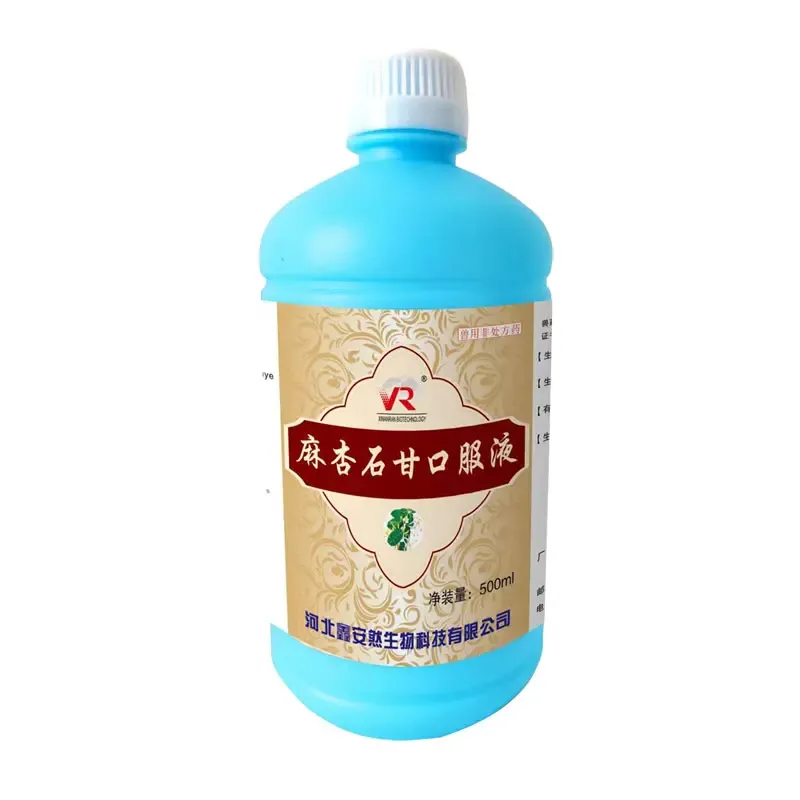 Its long elimination half-life further supports less frequent dosing, improving compliance and reducing stress on animals Its long elimination half-life further supports less frequent dosing, improving compliance and reducing stress on animalstilmicosin antibiotic.
However, like all antibiotics, responsible use of tilmicosin is paramount. Indiscriminate use may contribute to antimicrobial resistance, posing a significant challenge not only in veterinary medicine but also in human health care. Therefore, veterinarians must adhere to proper dosing guidelines and avoid using tilmicosin as a prophylactic measure unless absolutely necessary.
Moreover, tilmicosin should be used judiciously to prevent potential adverse reactions such as injection site reactions or, in rare cases, systemic reactions including anaphylaxis. It is also important to note that tilmicosin is not indicated for use in sheep or horses due to severe adverse effects observed in these species.
In conclusion, tilmicosin stands as a testament to the advancements in veterinary medicine, offering a robust solution against bacterial infections in livestock. With its targeted approach and convenient administration, it has become an essential tool in the management of respiratory diseases. Nevertheless, vigilant use of this antibiotic is crucial to preserve its efficacy and mitigate the rise of antibiotic resistance. As we continue to embrace such powerful tools in our quest for healthier livestock, let us not forget the responsibility that comes with their use.
Its long elimination half-life further supports less frequent dosing, improving compliance and reducing stress on animals Its long elimination half-life further supports less frequent dosing, improving compliance and reducing stress on animalstilmicosin antibiotic.
However, like all antibiotics, responsible use of tilmicosin is paramount. Indiscriminate use may contribute to antimicrobial resistance, posing a significant challenge not only in veterinary medicine but also in human health care. Therefore, veterinarians must adhere to proper dosing guidelines and avoid using tilmicosin as a prophylactic measure unless absolutely necessary.
Moreover, tilmicosin should be used judiciously to prevent potential adverse reactions such as injection site reactions or, in rare cases, systemic reactions including anaphylaxis. It is also important to note that tilmicosin is not indicated for use in sheep or horses due to severe adverse effects observed in these species.
In conclusion, tilmicosin stands as a testament to the advancements in veterinary medicine, offering a robust solution against bacterial infections in livestock. With its targeted approach and convenient administration, it has become an essential tool in the management of respiratory diseases. Nevertheless, vigilant use of this antibiotic is crucial to preserve its efficacy and mitigate the rise of antibiotic resistance. As we continue to embrace such powerful tools in our quest for healthier livestock, let us not forget the responsibility that comes with their use.
Its long elimination half-life further supports less frequent dosing, improving compliance and reducing stress on animals Its long elimination half-life further supports less frequent dosing, improving compliance and reducing stress on animalstilmicosin antibiotic.
However, like all antibiotics, responsible use of tilmicosin is paramount. Indiscriminate use may contribute to antimicrobial resistance, posing a significant challenge not only in veterinary medicine but also in human health care. Therefore, veterinarians must adhere to proper dosing guidelines and avoid using tilmicosin as a prophylactic measure unless absolutely necessary.
Moreover, tilmicosin should be used judiciously to prevent potential adverse reactions such as injection site reactions or, in rare cases, systemic reactions including anaphylaxis. It is also important to note that tilmicosin is not indicated for use in sheep or horses due to severe adverse effects observed in these species.
In conclusion, tilmicosin stands as a testament to the advancements in veterinary medicine, offering a robust solution against bacterial infections in livestock. With its targeted approach and convenient administration, it has become an essential tool in the management of respiratory diseases. Nevertheless, vigilant use of this antibiotic is crucial to preserve its efficacy and mitigate the rise of antibiotic resistance. As we continue to embrace such powerful tools in our quest for healthier livestock, let us not forget the responsibility that comes with their use. Latest news
-
Guide to Oxytetracycline Injection
NewsMar.27,2025
-
Guide to Colistin Sulphate
NewsMar.27,2025
-
Gentamicin Sulfate: Uses, Price, And Key Information
NewsMar.27,2025
-
Enrofloxacin Injection: Uses, Price, And Supplier Information
NewsMar.27,2025
-
Dexamethasone Sodium Phosphate Injection: Uses, Price, And Key Information
NewsMar.27,2025
-
Albendazole Tablet: Uses, Dosage, Cost, And Key Information
NewsMar.27,2025
Related Products


Copyright © 2025 Dingzhou Kangquan Pharmaceutical Co., Ltd. All Rights Reserved. Sitemap | Privacy Policy


